David

Fruit Fly in the South West

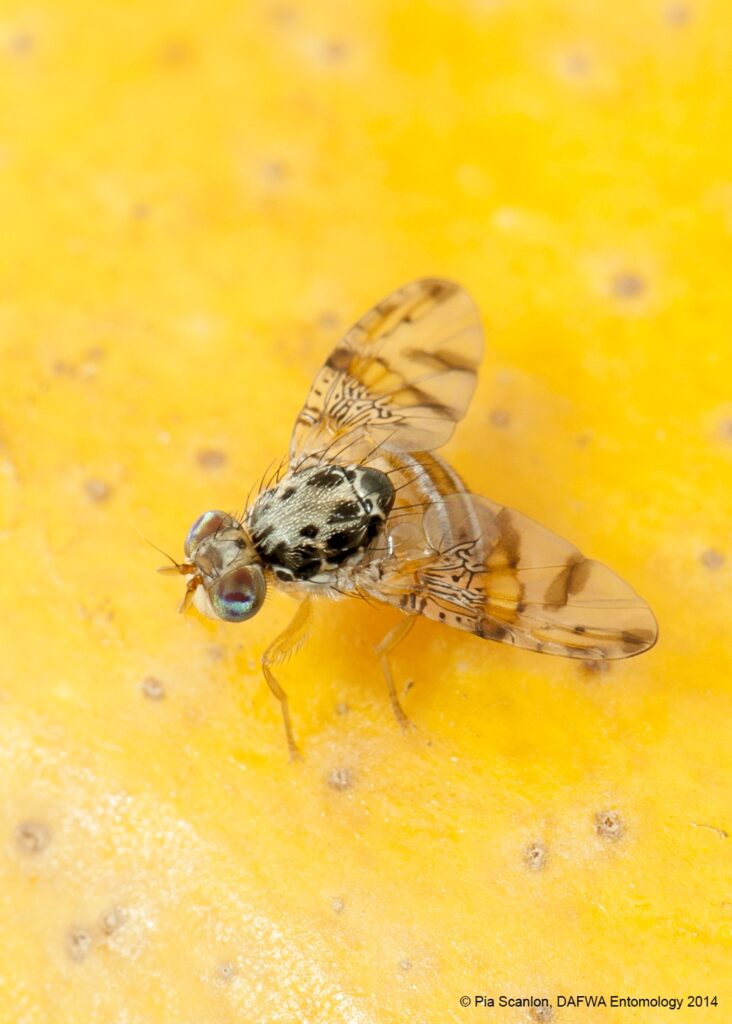
Mid January is about the time for Mediterranean Fruit Fly to arrive. Not to be confused with the recently reported Queensland Fruit Fly in Perth, Medfly has been in WA for sometime. They’re widespread throughout Busselton and exist in pockets elsewhere through the Capes region. Female Medfly ‘sting’ fruit and lay eggs which hatch into small larvae that turn fruit to mush. Control is difficult once the fly’s are endemic in your garden. The recommended organic practice is to bait and lure – which involves a weekly application of a syrup based bait such as this: https://www.yates.com.au/yates-200ml-natures-way-fruit-fly-control coupled with a trap or lure such as: https://www.pestrol.com.au/…/biotrap-qld-female-fruit…/ (works for Medfly and QLD Fruit fly) There are also cover sprays available of the non-organic chemical kind which are often expensive and hazardous to apply. Details can be found in this spray guide: https://www.agric.wa.gov.au/…/Pome%20%26%20Summer… Netting is available and is an option however Medfly often appears from the ground around your fruit tree where larvae have previously dropped from infected fruit, and is generally inside the net already. It’s also a good idea to practice general fruit tree hygiene around this time of year by removing all rotting or dropped fruit so as to avoid attracting Medfly to your trees. More information about Medfly control can be found here: https://www.agric.wa.gov.au/medfly/control-options-backyards

Fruit Fly in the South West Read More »
Autumn Fertilizing for Fruit Trees

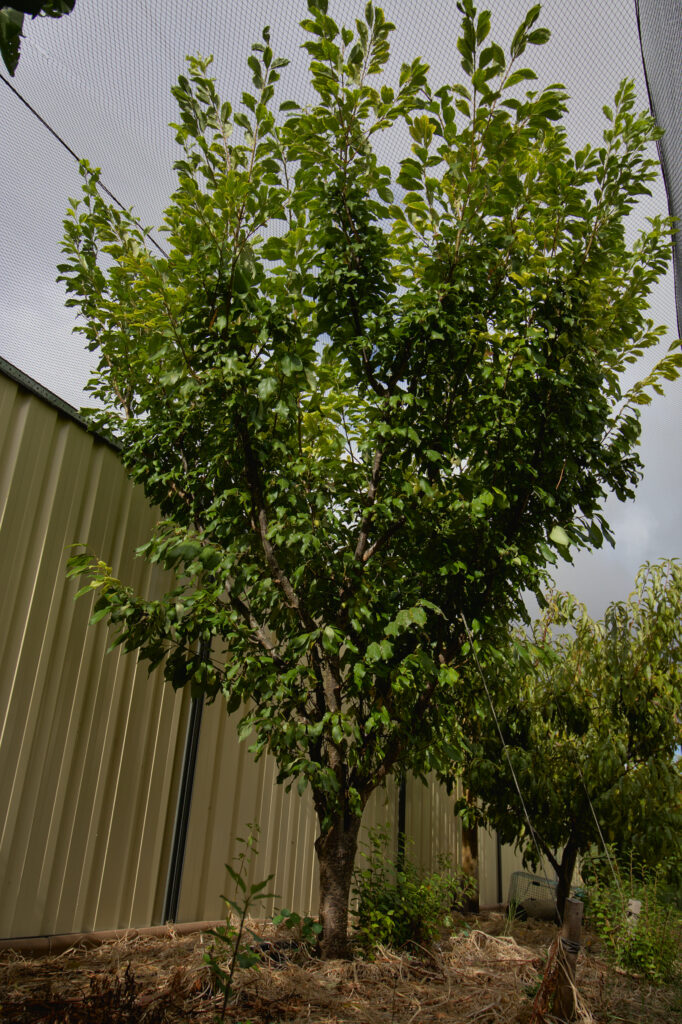
For the most part our Fruit trees have passed the excitement of blossom and the pleasure of fruit and are now on their way to rest, and so often they miss some needed attention. Perhaps the most important thing to consider when our trees go to sleep is actually what happens they wake up: The process is called re-acclimation, and basically all the energy the tree puts into flower and leaf production during this process comes from stores accumulated in late Summer/Autumn. More simply, at this moment your Fruit trees are in the process of readying themselves for flowering. Now this fact inclines some authorities to suggest now is a good time for fertilizing. I’d suggest it’s more of a case of ‘maybe’ It’s best to judge these things based on the trees performance through the Season. This can be ascertained by the seasons growth, for which an adequate amount would be around 30-40cm. If it was less than this, fertilizing would be prudent. For domestic Fruit trees a general purpose Fertilizer with moderate Nitrogen will suffice. If growth exceeded 40cm I would caution restraint with fertilizing. Perhaps the number one problem I come across with Fruit Trees is excessive vegetative growth caused by excessive fertilizer (or water). Of course this is not the only factor in fruit production, and perhaps I’ll while away the Winter lull with a post on tree dormancy, but for now let’s make sure our trees at least have the nutritional means for next Spring.

Autumn Fertilizing for Fruit Trees Read More »

Carrots

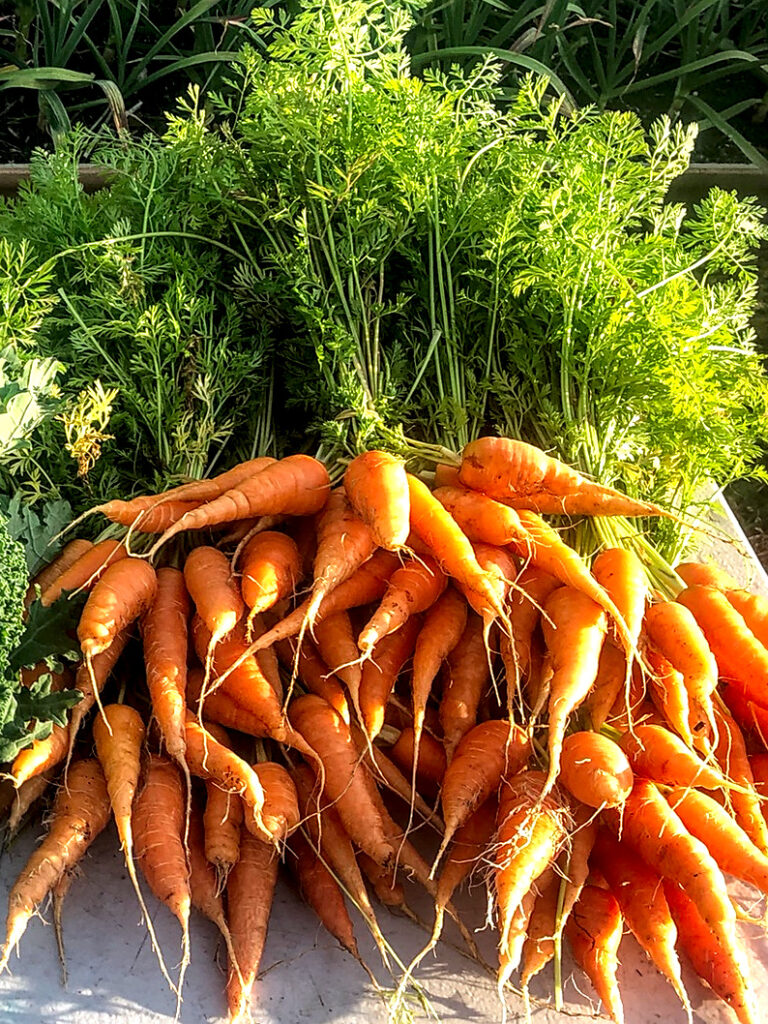
Winter Carrots are the best. The cool temperatures keep them sweet and the cool ground stores them like a fridge. They grow very slowly through winter so if you time it right, and you’ve got enough in, one planting of Carrots in Autumn can be harvested all Winter long. Carrots are about a 90 day crop, making March the time for sowing for a Winter Crop. This is the second bed I’ve sown. It’s perhaps a little late but I had Strawberries waiting to go elsewhere. Any rate, it has timed nicely with a spell of rain, which has made the ground nice and damp. Which is important for carrots, as they need constant moisture until they germinate. At the moment it’s around 7 days before they pop, but I’ve had it blow out to 14 days. Which is the reason behind the Irrigation and row cover – maintaining moisture. I’ve tried all manner of sowing techniques in the past – they all have their pros and cons. The first bed this year was sown heavily in rows, which germinated fine, but was subsequently eaten by something (I assume grasshoppers). I luckily have a full bucket of seed so for this next bed I’ve taken the carpet bomb approach and broadcast seed heavily – like a Carrot cover crop. I’ve used this method before to counter both poor germination and critter consumption with success, the drawback being the subsequent plant thinning. There’s been no special treatment to this bed other than loosening with a fork and a little Rock Dust. Like most root vegetables, little nutrition is required, as heavy feeding produces a poor crop, (i.e. lots of leaves, little roots). I also use the sandiest beds here, to avoid any underground diversions caused by rocks and so on. Which brings up the necessity of direct sowing carrots. Almost as soon as they germinate, the tap root that is to be your carrot makes it’s way straight down. It’s a fine little hair of a thing and anything in it’s way will disturb it’s trajectory – which includes the bottom of a Seedling punnet. So they always need to be direct sown. Some find carrots a little tricky to grow, and it’s true there is a learning curve, but they are a rewarding and abundant crop and well worth pursuing.

Carrots Read More »